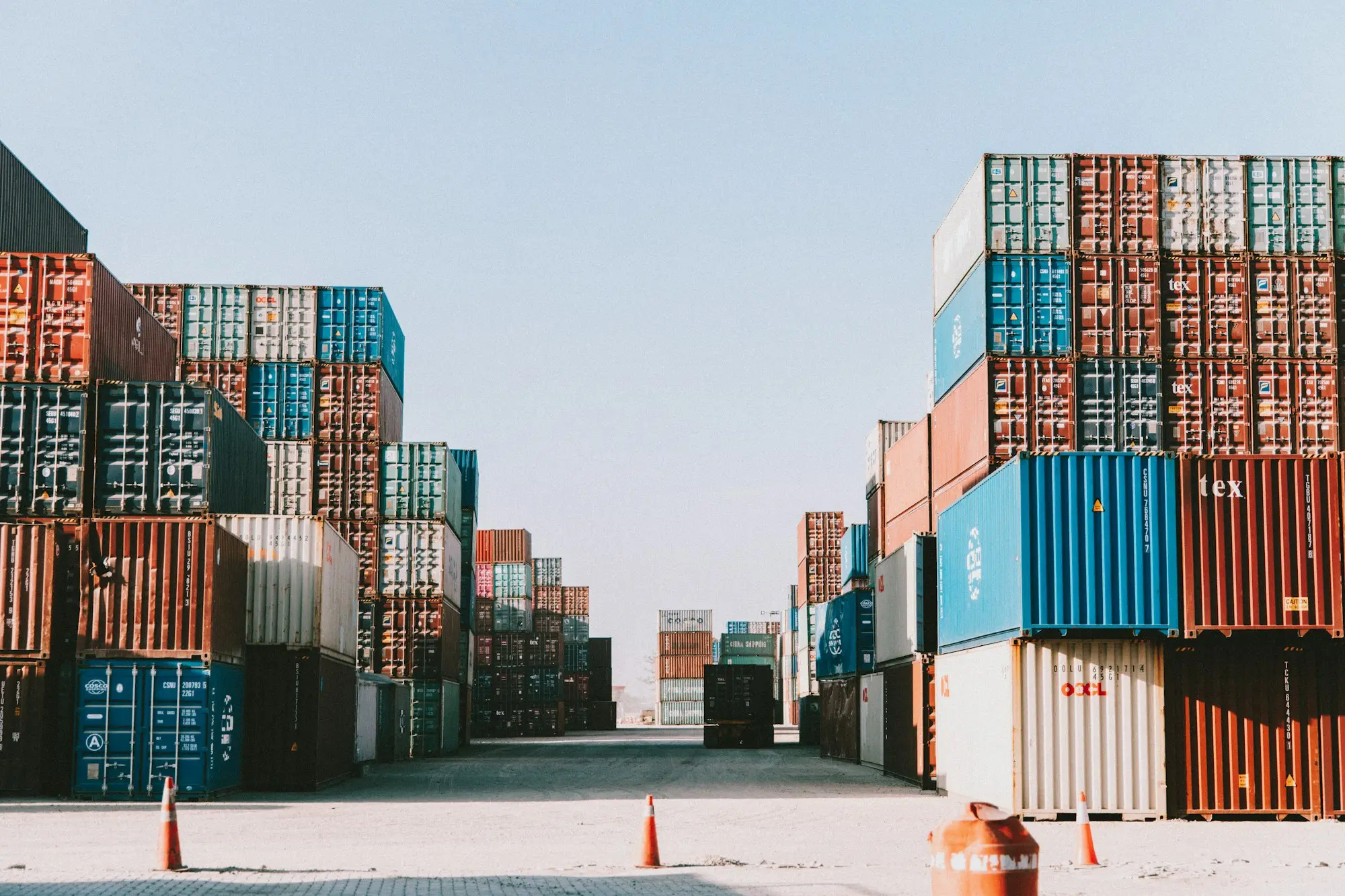
Quick answer
Demurrage is generally charged when a full container stays at the port or terminal beyond the free time allowed; detention is charged when the container is kept outside the terminal too long before the empty is returned. Terminal storage can add to both. Delays often come from unpaid duty and GST, document problems, inspections or slow unpacking. Having clearance funds ready on arrival is one of the simplest ways to avoid them.
Key points
- Free time is limited — once it runs out, daily charges start and can escalate.
- Unpaid duty and GST, paperwork errors and inspections are common causes of delays.
- Detention continues until the empty container is returned, so unpacking speed matters.
- Having border costs funded before arrival avoids a lot of avoidable charges.
Why do delay charges matter so much?
Most landed-cost estimates assume the container arrives, clears, gets delivered and is unpacked on schedule. When that doesn’t happen, a new set of charges appears: terminal storage, demurrage, detention and sometimes extra transport. Unlike duty and GST, these charges are avoidable — and unlike freight, they’re not negotiated in advance. A container that sits for a week can wipe out a meaningful slice of the margin on its contents.
business.gov.au lists transport, insurance and storage fees among the costs importers face. Storage and container charges are the ones that grow with every day of delay.
What do the charges mean?
Definitions vary between shipping lines, terminals and contracts, so always check your own terms. In general usage:
| Charge | Generally applies when | Charged by |
|---|---|---|
| Free time | The period allowed before charges start | Shipping line and terminal |
| Terminal storage | Goods or containers stay at the terminal after the storage free period | Terminal operator |
| Demurrage | A full container stays in the port or terminal beyond free time | Shipping line |
| Detention | A container is kept outside the terminal beyond free time before the empty is returned | Shipping line |
| Redelivery or waiting time | Transport can’t collect or deliver as booked | Transport provider |
Some lines combine demurrage and detention into a single free-time allowance. Your forwarder can tell you exactly what applies to each shipment.
What causes containers to be held?
- Duty and GST not paid. The ATO says GST on imports is generally payable before goods are released. If the cash isn’t ready, the container waits — and charges start.
- Paperwork problems. Invoices, packing lists and bills of lading that don’t match, missing origin documents, or unclear descriptions can slow the declaration.
- Inspections. Biosecurity or other government inspections can add days, and the associated fees and handling costs.
- Documents not released. If the supplier hasn’t released the bill of lading because the balance wasn’t paid, the goods can’t be collected.
- Transport and slot shortages. In busy periods, booking a truck or a terminal slot can take longer.
- Slow unpacking. Once the container is at your premises, detention keeps running until the empty is returned.
How do I avoid delay costs?
- Know your free time before the vessel arrives.
- Send documents to your broker early so the declaration can be prepared before arrival.
- Have duty, GST and broker funds ready the week the container lands — or be approved for deferred GST.
- Pay the supplier balance in time for documents to be released.
- Book transport early, especially in peak season.
- Plan unpacking — staff, forklift, space — so the empty goes back promptly.
- Check biosecurity requirements for your product before it ships.
Point 3 is where funding helps. If waiting for cash to pay the border bill is what holds your goods, a short enquiry about funding border costs is worth making before the next arrival — no credit check to ask. See also funding duty and GST at the border.
How should delay risk go into landed cost?
You can’t predict every delay, but you can allow for them:
- Add a small contingency to the “port and local charges” line in your landed cost calculation, especially for new routes, new products that may be inspected, or peak-season arrivals.
- Track actual delay charges order by order. If they keep appearing, the fix is usually in the process, not the budget.
- Allow a week or two of slack in your import order calendar so a delay doesn’t push stock past a selling season.
Illustrative example
Illustrative only. A homewares importer’s container arrived during a busy pre-Christmas period. The balance had been paid late, so the supplier released the documents a few days after the vessel berthed, and the importer then needed another few days to find the money for duty and GST. By the time the container was cleared and a truck slot was booked, free time had run out, and storage and demurrage charges added several hundred dollars — on top of stock arriving later than planned for the peak. For the next order, the owner arranged a facility to cover the balance and border costs together, and the following container cleared within free time.
What about delays at the supplier’s end?
Late production doesn’t usually create port charges in Australia, but it compresses everything after it: less time to sell, pressure to clear quickly, and possibly air freight to catch up. Build supplier lead-time slack into your plan and keep in close contact during production. Our seasonal import orders page covers planning around lead times.
Who can help when a container is held?
Start with your customs broker, who can see the status of the declaration and any holds, and your freight forwarder, who can check free time, request extensions where shipping lines allow them, and rebook transport. If an inspection is involved, ask the broker what’s needed to release the goods and how long it’s likely to take. Act on the first day of a hold, not the fifth — most charges are daily, and early action is almost always cheaper.
Keep your containers moving
Delay charges are the most avoidable cost in importing, and cash on hand at arrival avoids most of them. If you’d like the border covered before the ship berths, send us a quick enquiry. It doesn’t involve a credit check, and your details stay with one person rather than being handed around a panel of lenders. Please give accurate figures for the order and expected arrival so we can help properly first time.
Frequently asked questions
What's the difference between demurrage and detention?
Terms vary between shipping lines, but demurrage generally applies when a full container stays in the port or terminal beyond the free time, and detention applies when a container is kept outside the terminal beyond the free time before the empty is returned. Check your shipping line's definitions and free-time terms.
How much free time do I get?
It depends on the shipping line, the port, the container type and any agreement your forwarder has negotiated. Ask your forwarder for the free time before the vessel arrives, not after.
Why would my container be held at the port?
Common reasons include duty and GST not being paid, errors or missing information in the import declaration or documents, biosecurity or other inspections, and problems arranging transport or a delivery slot.
Who pays demurrage if the delay isn't my fault?
Generally the party responsible under the shipping terms — usually the importer for arrival-side charges. Whether you can recover them from someone else depends on the cause and your contracts. Prevention is far cheaper than recovery.
Can finance help avoid demurrage?
It can, when the delay is caused by waiting for cash to pay duty, GST or the broker. Having border costs funded before arrival means goods can be cleared as soon as they're available.